Blepharoplasty — Expert Eyelid Surgery Tailored for You

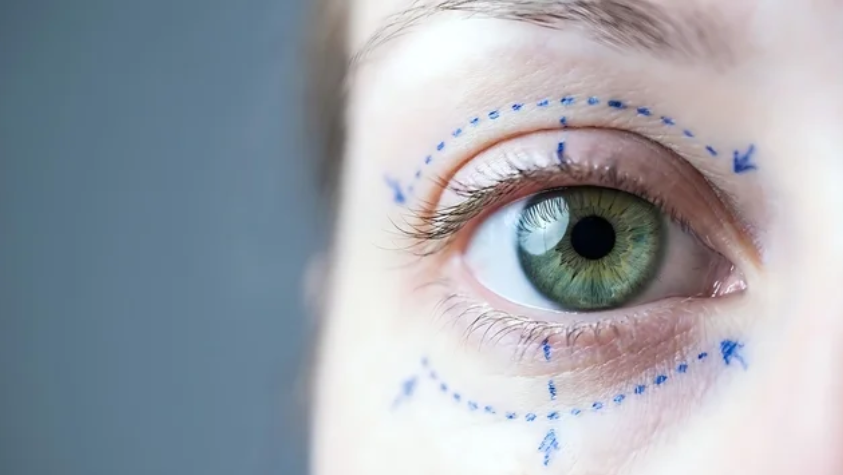
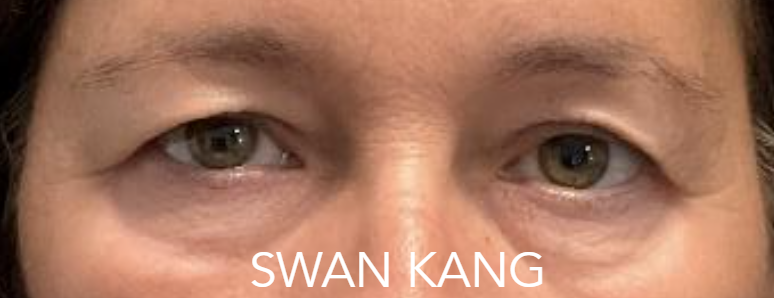
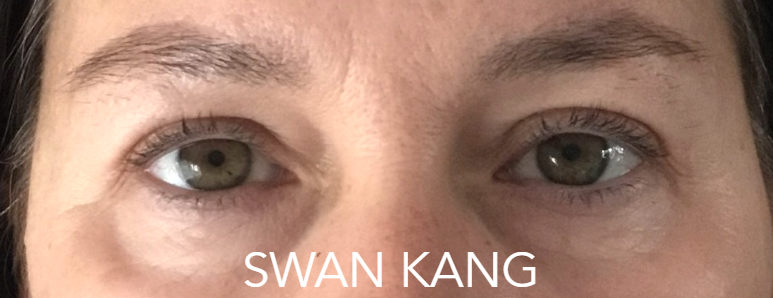
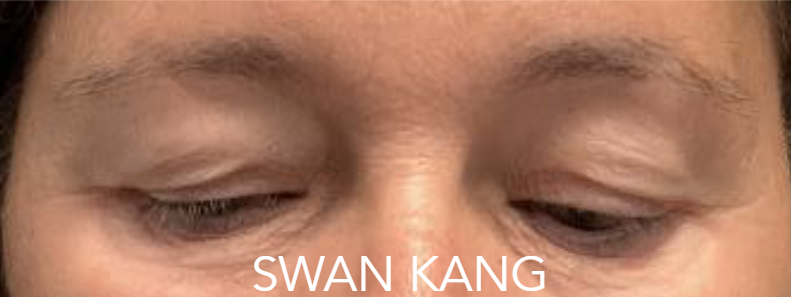
Blepharoplasty, commonly known as eyelid surgery, is a procedure designed to improve the appearance of the eyelids by removing excess skin, fat, and muscle. Whether you are concerned about drooping upper lids that affect your vision, puffiness, or simply wish to refresh a tired or aged look, blepharoplasty offers a subtle yet powerful way to rejuvenate your eyes and overall facial harmony.

Personalised Care for Each Patient

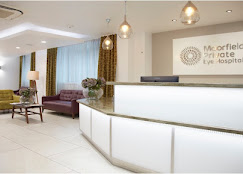
At the heart of Dr Swan Kang’s practice is a commitment to personalised, patient-centred care. Dr Swan Kang has undergone extensive specialised training in eyelid surgery, including advanced techniques from leading experts internationally. She completed her training and holds a substantive consultant post at Moorfields Eye Hospital, one of the world’s foremost centres for ophthalmology. Her thorough and careful approach ensures every procedure is planned with precision, balancing both functional and aesthetic factors. This dedication to detail and continuous learning enables her to deliver consistently excellent, natural-looking results while prioritising patient safety and comfort throughout the entire journey.

Advanced Expertise in Eyelid Surgery Across All Eyelid Types

Dr Swan Kang has extensive experience performing blepharoplasty across a wide spectrum of eyelid anatomies.

Some eyelid types, such as those found in Asian individuals, are recognised within oculoplastic surgery as technically more complex due to differences in skin thickness, fat distribution, crease formation, and eyelid support structures. Through advanced specialist training and years of focused surgical practice, Dr Kang has developed the precision and judgement required to manage this complexity safely and effectively.

This breadth of experience allows every procedure to be tailored to the individual, rather than applying a standardised approach. Dr Kang’s philosophy is to respect natural anatomy, preserve individual facial characteristics, and achieve results that are balanced, natural-looking, and appropriate for each patient.

Her meticulous approach ensures that both functional and aesthetic outcomes are optimised, with patient safety, comfort, and long-term eye health remaining central throughout the surgical journey.

Specialist in Precision Asian Blepharoplasty

Dr Kang specialises in precision Asian blepharoplasty, a field that demands unique surgical expertise. Asian eyelids have distinctive anatomical features, such as the absence or variation of the eyelid crease, differences in fat distribution, and skin thickness. Through extensive training, including advanced surgical techniques learned in South Korea — a global leader in aesthetic eyelid surgery — Dr Kang has refined a technique that is meticulous, safe, and tailored to preserve ethnic identity while achieving elegant, natural-looking results.

Why Choose Dr Swan Kang for Your Eyelid Surgery?

  • Expert knowledge and experience: Dr Kang’s specialised training and confidence in managing complex eyelid anatomy mean she is highly skilled in performing blepharoplasty tailored to a wide variety of eyelid structures. She ensures every procedure respects your unique facial features and personal aesthetic goals, delivering results that enhance your natural beauty.

  • Customised Surgical Planning: Your consultation will focus on understanding your personal aesthetic goals, lifestyle, and medical history to design a bespoke surgical approach.

  • Focus on Natural Results: The goal is never to create a “standard look” but to enhance your existing features, restoring youthful vitality and confidence with a refined, natural appearance.

  • Safety and Comfort: As a trained ophthalmic surgeon, Dr Kang deeply appreciates the vital role the eyelids play in protecting and maintaining the health of the eyes. She performs eyelid surgery with the utmost care and precision, using state-of-the-art techniques that prioritise safety, minimise scarring, and support a smooth, comfortable recovery.

  • Rapid and Comfortable Recovery
    Dr Kang’s meticulous surgical technique and gentle tissue handling promote a faster and more comfortable healing process. Careful planning and precise execution minimise swelling, bruising, and discomfort, helping you return to your daily activities with confidence and ease.

Who Can Benefit From Blepharoplasty?

  • Individuals with drooping or hooded eyelids that interfere with vision or cause discomfort

  • Those with puffiness or bags under the eyes due to fat prolapses or ageing

  • Anyone seeking a refreshed, rested, or more youthful appearance around the eyes

  • People of all ages and backgrounds—from young adults seeking subtle aesthetic improvement to older adults aiming to rejuvenate the eye area

Your Journey with Dr Swan Kang

The journey begins with a thorough consultation where Dr Kang will assess your eyelids, discuss your goals, and explain the options available. She will tailor the surgery to balance function and aesthetics, whether you desire a crease formation, removal of excess tissue, or tightening of eyelid muscles.

Recovery times vary, but most patients return to normal activities within one to two weeks, with final results gradually revealing themselves over several months. Throughout, Dr Kang and her team provide dedicated support to ensure your comfort and confidence.

Upper Blepharoplasty: What to Expect Before and After Surgery

Upper blepharoplasty is a commonly performed procedure to remove excess eyelid skin and improve both appearance and function. Dr Swan Kang offers personalised blepharoplasty at Moorfields Private Eye Hospital in London, combining ophthalmic expertise with a meticulous, safety-focused approach.

Here you’ll find answers to the most frequently asked questions about upper blepharoplasty recovery, aftercare, and results, helping patients feel informed and reassured at every stage.

Still have questions? Please contact Dr Swan Kang’s practice at Moorfields Private.

  • Upper blepharoplasty is usually performed as a day-case procedure. After surgery, your eyelids may be covered with pressure pads for at least one hour and occasionally until the following morning. These help reduce swelling and bruising.

  • Most patients experience only mild discomfort or tightness around the eyelids for the first day or two. This is usually well controlled with regular paracetamol. Significant pain is not expected.

  • Yes. You should avoid anti-inflammatory painkillers such as ibuprofen, diclofenac or naproxen, as these can increase the risk of bleeding during and after eyelid surgery. If you take any blood thinners, please discuss with Dr Kang.

  • Yes. Swelling and bruising are normal and expected after eyelid surgery. These often peak within the first 1–2 days and gradually settle over the following two weeks.

  • Your vision will be a little blurry after upper blepharoplasty. This may be due to eyelid swelling, pressure dressings, or antibiotic ointment used during and after surgery. The vision is only slightly blurry, and you should be able to do your visual tasks as usual from the day after the surgery.

  • A small amount of blood staining on the eye pads or eyelids is normal in the early post-operative period.

    • Sleep propped up on extra pillows

    • Apply a cold compress (ice wrapped in a clean towel or a frozen pack of peas) over closed eyes for 5 minutes, 3–5 times a day

  • Most patients feel comfortable going out socially after 10–14 days, once bruising and swelling have settled. Healing continues over several weeks as scars soften and mature.

  • Avoid exercise, heavy lifting, swimming, yoga, and Pilates for one to two weeks, as these activities can increase blood pressure and raise the risk of bleeding.

  • Apply antibiotic ointment to the wound using clean hands. Apply a thin layer directly over the incision.

  • If crusting is bothersome, you may gently clean it with a clean flannel soaked in warm water before applying the ointment. If it does not bother you, it is best to leave it alone.

  • No. Please avoid getting your eyelids wet until your post-operative review, which usually take place in 1-2 weeks. You may wash your hair carefully by leaning forward or backward and wash the rest of your face and body as normal.

  • Yes. Reading, watching screens, and using a computer will not harm your eyes, although your vision may be slightly blurred initially.

  • Lubricating drops or ointment can be used to keep your eyes comfortable and Dr Kang will prescribe or recommend these.

  • You should only drive when your vision feels clear and your field of vision is safe. Many patients feel comfortable driving a few days after surgery, but this varies.

  • Your post-operative appointment will take place 1-2 weeks after surgery.

  • Stitches are removed in the clinic and are usually only mildly uncomfortable, often described as a slight prickly sensation and only takes a few minutes.

Upper Blepharoplasty Recovery Timeline

Upper Blepharoplasty

Before & After Timeline

1

Before Surgery

  • Detailed consultation and eyelid assessment
  • Personalised surgical plan
  • Pre-operative guidance provided
2

Day of Surgery

  • Day-case procedure
  • Mild tightness and swelling expected
  • Pressure pads applied temporarily
3

Days 1–3

  • Swelling and bruising peak
  • Mild discomfort only
  • Cold compresses helpful
4

Days 7–10

  • Stitches removed
  • Swelling and bruising significantly reduced
  • Comfortable going out socially
5

Weeks 2–4

  • Return to normal activities and exercise
  • Scars begin to soften
6

3–6 Months

  • Final results continue to refine
  • Scars fade and settle into natural eyelid creases